Viktor Didukh: “Adaptive Sport Needs Not One Solution but a Whole System”
During the panel discussion “Human Potential Without Barriers – New Opportunities for Veterans in Sport and Professional Life” at SBC Summit Ukraine 2026 Lviv, two-time Paralympic table tennis champion Viktor Didukh raised the issue of the accessibility of adaptive sport for people with…
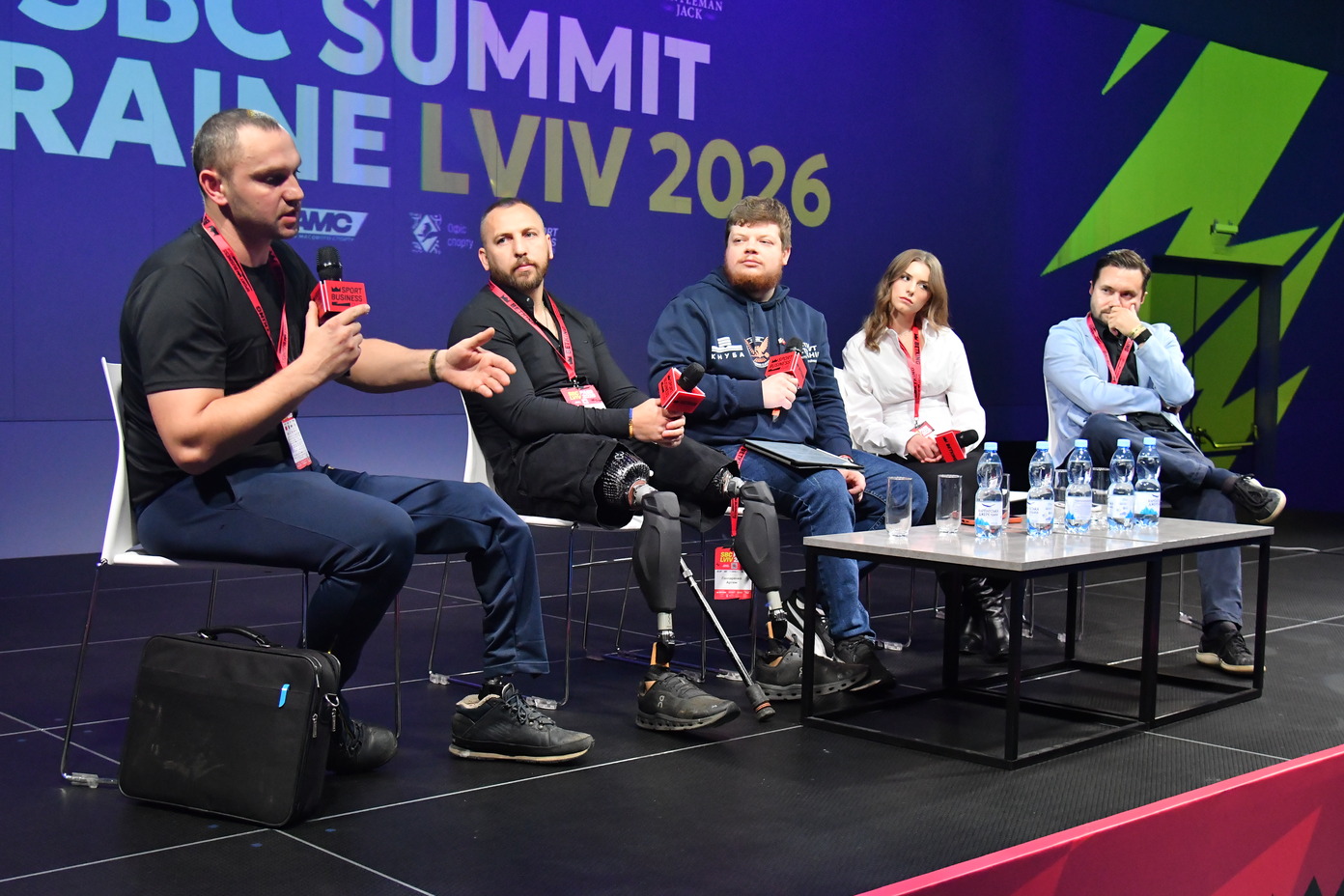
During the panel discussion “Human Potential Without Barriers – New Opportunities for Veterans in Sport and Professional Life” at SBC Summit Ukraine 2026 Lviv, two-time Paralympic table tennis champion Viktor Didukh raised the issue of the accessibility of adaptive sport for people with disabilities. In his opinion, one of the main obstacles for those who want to play sport after an injury is being able to get to the gym and enter it without obstacles.
“First of all, for military veterans to do sport when they have some limitations, when they are in wheelchairs or have no leg, like me, the hardest thing is to get into the gym. Often, if it is hard to get into the gym, it is even harder to get to it. For many who live in cities, the journey across the whole city becomes a big problem,” said Viktor Didukh.
According to him, adaptive sports halls are needed in different sports, and accessibility requirements should be built in already at the stage of designing and constructing such facilities.
“The main thing is that when halls are built, they must definitely be accessible. Probably this should be done at the legislative level,” the athlete stressed.
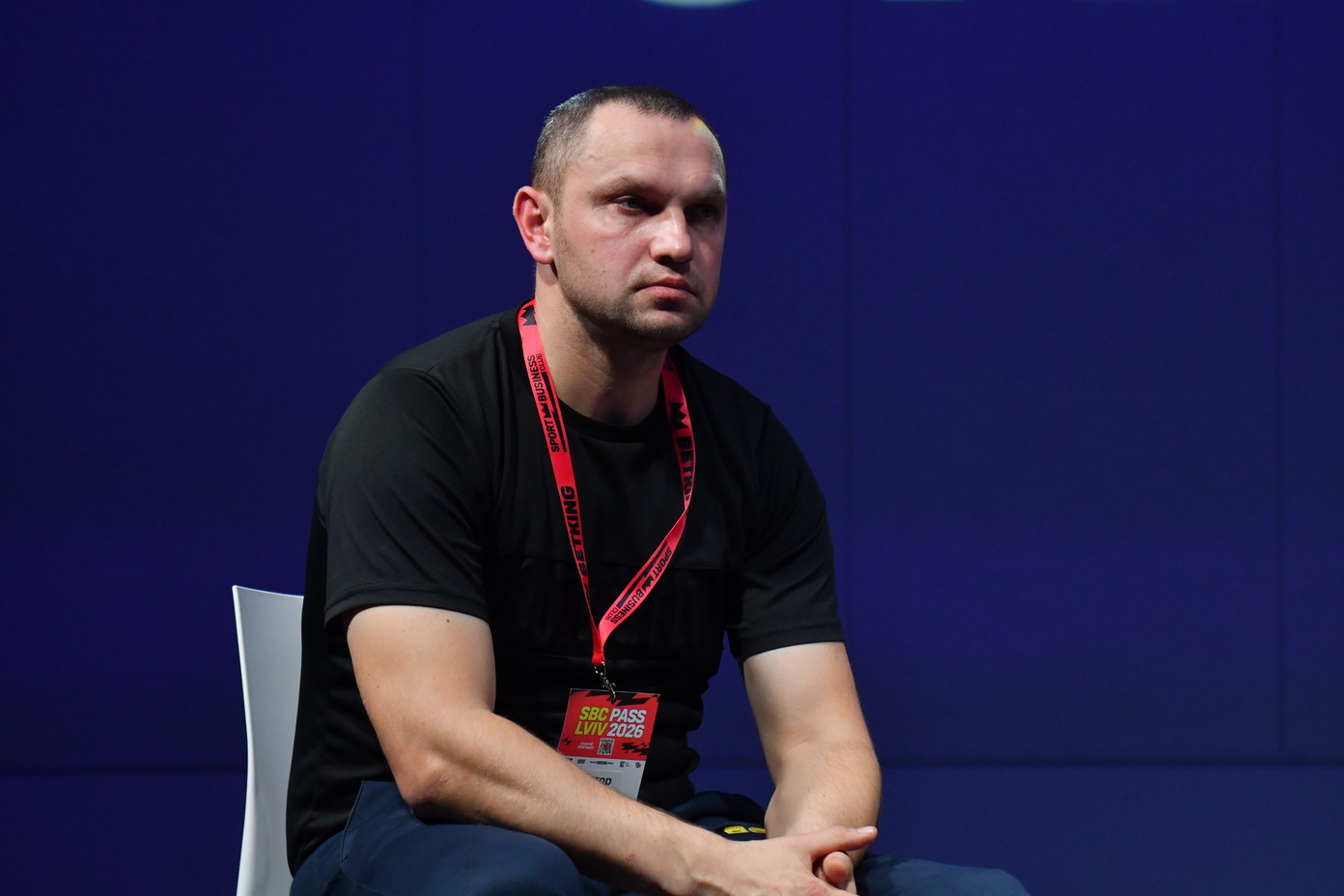
At the same time, Viktor shared his own experience of solving the accessibility problem. After his leg was amputated in 2012, he faced the same difficulties: inconvenient premises, halls on upper floors and complicated logistics. Then the athlete decided to create conditions in which people with disabilities could train and live to the full.
“I had the opportunity, and I simply built an academy that has accommodation, meals and a hall. Everything there is without thresholds, Paralympians and people with injuries can train. Maybe, so as not to travel all the time and to remove these logistical problems, one can build halls with accommodation right away,” he said.
In Didukh’s opinion, additional accommodation options can become an important part of sports infrastructure. He gave the example that when building a large sports complex, one can also provide rooms for athletes who will come for training and camps.
“When you build a sports hall for two million dollars, you can add another five percent and make rooms where veterans can live and train. Then you can hold camps, competitions and training there, and live there. Ideally, there would also be work near such halls. A person would feel needed and be able to live and develop,” the athlete explained.
Separately, the discussion addressed how to encourage veterans and other people with disabilities to come to sports clubs. Didukh is convinced that at the initial stage the most important thing is to create a comfortable environment in which a person feels part of a team and enjoys the process itself.
“I do not know how to motivate, because I am not a motivator. The main thing is that a person who comes to train is not alone. You need a team, a coach and the process itself, which they will enjoy. If you immediately explain that heavy loads await them and that they must train professionally, I do not know whether that will motivate them. The main thing is that they enjoy the process first,” said Didukh.
He compared this to working with children: at the first stage it is important to interest them in sport, and only later can ambition, results and the aspiration to a professional level appear.
“To a child who comes to you, you do not immediately explain the prospects of earning money, rising socially, pleasing relatives or finding new friends. There are many advantages, but first they simply have to enjoy playing. A person should want to come more often. The more they train, the greater the result,” noted the Paralympic champion.
He named the mass involvement of veterans in sport as another important direction. For this, it is necessary to organise demonstration performances, various events and competitions so that as many people as possible can try themselves in different disciplines. After all, far from everyone who comes to a sports club for the first time will necessarily become a professional athlete in that particular sport.
“If you involve 100 veterans, for example, you will have one professional athlete. If you involve a thousand, you will have ten professional athletes. You simply need to involve as many people as possible, and then the number of professional athletes will grow accordingly,” explained Viktor Didukh.
He stressed that one should not immediately choose a small group of people and expect all of them to reach a professional level. It is important to give veterans the opportunity to try different sports, because everyone’s abilities and possibilities differ.
“A large number of people must pass through, they must try many sports. Tennis will not work for some, cyclic sports and swimming will work for others. The more of this work you do, the better the result. Professionals cannot exist without amateur sport, while amateur sport can exist without professional sport. That is why as many people as possible need to be involved,” the athlete emphasised.
Summing up, Viktor Didukh noted that the development of adaptive sport requires comprehensive and long-term work. There is no single solution that by itself will deliver a breakthrough: accessible infrastructure, coaches, funding, medical support, sponsorship and the opportunity to take part in competitions are all needed.
“Honestly, I think it is impossible to do just one thing and have that become a breakthrough. You need to understand: where a sponsor will be found, where the sports halls will be, the coaches, how to travel to competitions, where the medicine and the medic will be. There is no such thing as doing one thing and everything starts working. You have to do everything. It is hard and big work,” summed up Viktor Didukh.
Source: Sport Business Media (sportbusiness.media), https://sportbusiness.media/2026/11/06/viktor-diduh-adaptyvnyj-sport-potrebuye-ne-odnogo-rishennya-a-cziloyi-systemy/